























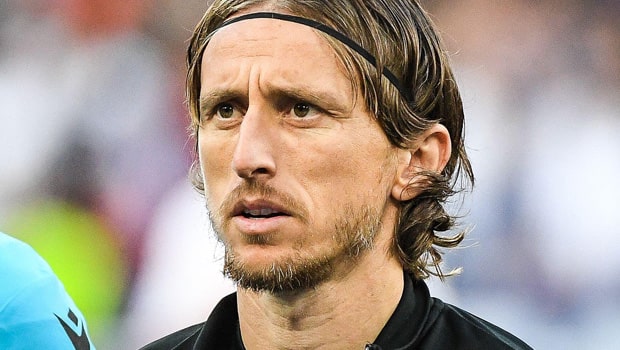
Real Madrid’s 4-0 loss to Paris Saint-Germain in the semifinals of the FIFA Club World Cup was more than just a shocking defeat, it also marked the end of an era. The match served as the final appearance for Luka Modric, the 39-year-old midfield maestro who leaves behind an unmatched legacy at the Santiago Bernabéu.
Modric, who joined Real Madrid in 2012 from Tottenham Hotspur, exits as the most decorated footballer in the club’s storied history. Over 12 glittering seasons, the Croatian legend has collected 28 major trophies, including an astonishing six UEFA Champions League titles, four La Liga championships, and two Copa del Rey triumphs.
In addition to his silverware, Modric has also rewritten the club’s history books. He departs as Real Madrid’s oldest-ever player and its oldest goal scorer, underscoring both his longevity and enduring influence on the pitch.
Though the semifinal defeat was a difficult one for the team, it served as a symbolic passing of the torch. Modric entered the match in the 63rd minute, replacing rising star Jude Bellingham—an emblem of the club’s future. It was a quiet but poignant farewell for a player who had so often been at the center of Madrid’s greatest moments over the last decade.
Modric’s next chapter appears set to unfold in Italy. The veteran midfielder is reportedly on the verge of signing with AC Milan ahead of the 2025–26 season. The move would see him bring his experience and leadership to another European giant, further extending a remarkable career that shows no signs of slowing down.
As Madrid prepare for a new generation of stars to take the stage, Modric’s departure marks the end of a golden chapter. Revered for his vision, grace under pressure, and unwavering professionalism, Luka Modric leaves Real Madrid not just as a legend, but as a symbol of the club’s modern dominance.