






















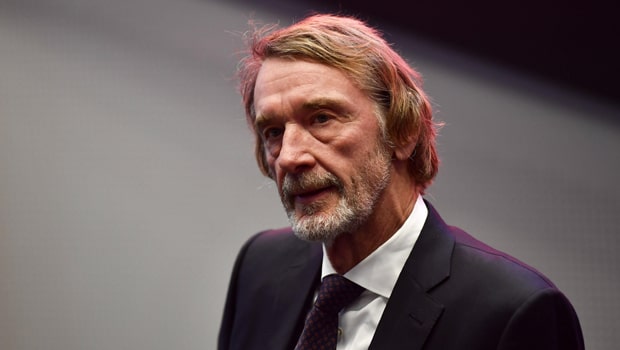
Manchester United co-owner Sir Jim Ratcliffe has come to the defence of manager Ruben Amorim, insisting the Portuguese coach needs at least three years to prove he can be “a great coach.” Amorim, who joined United from Sporting Lisbon in November last year, has endured a difficult spell at Old Trafford.
The Red Devils finished 15th in the Premier League last season, their lowest finish since 1974, and have already suffered three league defeats this campaign despite spending over £200 million in the summer transfer window.
Amid growing speculation that Amorim’s job was under threat before last weekend’s 2-0 win over Sunderland, Ratcliffe dismissed reports of any imminent managerial change.
Speaking, the Ineos owner stated that he believes in giving the 40-year-old ample time to implement his ideas. “He has not had the best of seasons. Ruben needs to demonstrate he is a great coach over three years. That’s where I would be.”Ratcliffe said.
Amorim has faced criticism from pundits and sections of the media for his rigid adherence to a 3-4-2-1 tactical system, which many argue has failed to deliver consistency in the Premier League.
However, Ratcliffe was quick to dismiss such talk as reactionary, saying, “The press, sometimes I don’t understand. They want overnight success. They think it’s a light switch. You flick a switch, and it’s all going to be roses tomorrow. You can’t run a club like Manchester United on knee-jerk reactions.”
Ratcliffe, who owns just under 30% of the club but controls its football operations, also spoke about his working relationship with the Glazer family, who still hold the majority stake.
He defended the much-criticized American owners, saying they are “passionate” about the club and have no intention of interfering in football decisions. When asked if they could pressure him into sacking Amorim, Ratcliffe was clear: “That’s not going to happen.”
Beyond the sporting side, Ratcliffe addressed the financial direction of Manchester United following the announcement of reduced losses, from £113.2 million to £33 million for the year ending June 2025.