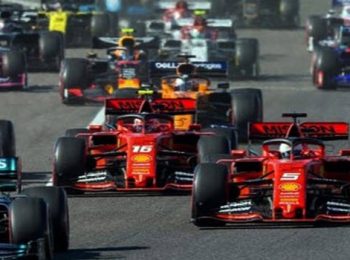























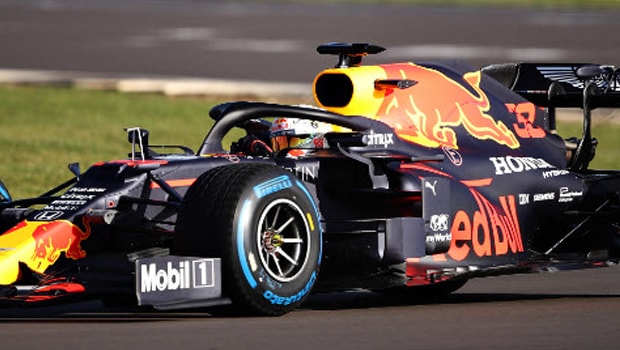
The FIA has made their first major intervention of the season by banning a qualifying engine technique used by Mercedes AMG Petronas Formula One Team and Red Bull Racing following concerns raised by Scuderia Ferrari.
The issue centred on how both teams handled MGU-K deployment at the end of qualifying laps.
Under the regulations, power from the system is meant to ease off in controlled steps as cars approach the timing line.
Instead, Mercedes and Red Bull were cutting deployment from full output straight to zero in one movement, allowing them to hold maximum power for longer on the final straight.
That adjustment created a clear edge. While overall energy use stayed within limits, the timing of the release gave them more performance where it mattered most on a single lap.
Rivals, following the standard ramp-down process, could not match that late surge.
Ferrari initially pushed for clarification, pointing to both safety and fairness.
The concern was that such a sharp drop in power was outside the intended use of the system, which is designed to manage output in a controlled way rather than as a last-second boost.
After reviewing the situation, the FIA moved to close the gap instead.
The governing body ruled that the approach did not align with how the regulations were meant to be applied and introduced an immediate ban, forcing teams to return to the gradual reduction model.
The ruling lands just weeks into the new regulation cycle and adds to ongoing scrutiny around power unit performance.
Earlier discussions had already touched on engine behaviour under temperature changes, but this latest development focuses on deployment strategy rather than outright power generation.
For Mercedes and Red Bull, the change means reworking qualifying setups ahead of the next round.
Both teams had found a workable interpretation of the rules, but that window has now been shut.
More broadly, the decision sets the tone for the season. It shows how willing the FIA is to act quickly when grey areas begin to influence results, with the expectation that similar interpretations will be addressed just as directly.
Teams will have to tread carefully as they make modifications to avoid breaching existing regulations.